
Published by Serious Dating Guide
The starting inventory reveals both useful images and missing roles
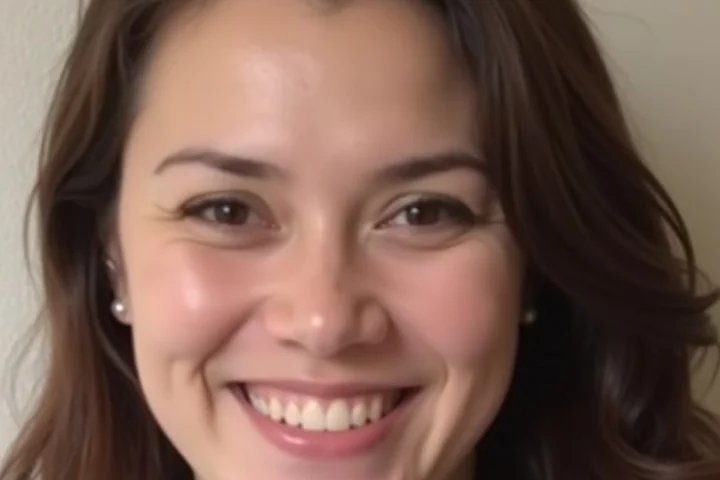
- Photos should reflect your present hairstyle, facial hair, body, usual clothing, and general appearance. Role: Recent candidate pool
- Mark solo images where your face is visible, well lit, and immediately identifiable. Role: Portrait
- Mark images that show your current full body in a natural setting without a confusing crop. Role: Full-length
- Mark photos from real hobbies, routines, outings, or projects that show what you actually spend time doing. Role: Activity
- Label group photos separately, then flag repeated selfies, repeated outfits, and near-identical settings for removal. Role: Social and redundant
The lead image must establish a clear current likeness
- Place a recent solo portrait in the first slot, with your face uncovered and large enough to recognize at profile size.
- Confirm that lighting, glasses, hats, hair, facial hair, and filters do not obscure your everyday appearance.
- Preview the crop before publishing, especially when the original image is wide or your face sits near an edge.
- This slot is for clear identification, with no required pose, expression, body type, or styling standard.
The middle of the set should show everyday life from different angles
- Assign one current full-length image to the second or third slot, ideally in clothing and a setting that feel familiar to your real life.
- Add an activity image that shows a genuine interest, such as cooking, gardening, playing music, hiking, volunteering, or working on a project.
- Keep the activity readable by making yourself visible and ensuring the image communicates more than scenery or equipment.
- A social photo occupies one slot at most, and your identity should remain obvious without requiring viewers to guess which person you are.
Misleading or repetitive images weaken the entire sequence
- Images from a past stage of life create a false first impression when they no longer reflect your current appearance or circumstances. Issue: Old photos
- Extreme smoothing, face-changing filters, or dramatic editing hides the likeness the lead image needs to establish. Issue: Heavy alteration
- Sunglasses in every shot, distant camera angles, masks, shadows, or photos taken only from behind leave basic visual context missing. Issue: Concealed appearance
- A crowded image fails when several people look similar, your face is small, or a former partner remains visibly framed beside you. Issue: Unclear group shots
- Several selfies in the same room, several travel landscapes, or several photos in the same outfit consume slots without expanding the picture of your life. Issue: Repeated information
Sequence order should answer the viewer's questions progressively
- Place the clear lead portrait first so your current face is established before any wider context.
- Follow with the full-length image, then an activity photo that adds a recognizable part of your routine or interests.
- Finish with optional social context and any remaining distinct image, keeping similar settings and camera angles apart.
A final audit confirms clarity, accuracy and privacy
- Current likeness. Every selected image reflects your present appearance and does not rely on a past version of you.
- Role coverage. The set contains a lead portrait, full-length context, activity context, and social context only where it is clear.
- Crop and image quality. Faces remain visible after cropping, and blur, darkness, or busy backgrounds do not hide the intended subject.
- Privacy. Home addresses, work badges, license plates, children, and other people’s identifying details stay out of view when privacy calls for it.
- Upload requirements. The selected count, file format, and crop fit the requirements displayed by the dating service you use.
Ordering The Final Photo Sequence
For a four-photo profile, use this order: lead portrait, full-length image, activity image, then a social photo or a second activity image. The fourth slot should add a new setting or role, such as cooking at home after a hiking image; two distant outdoor shots often duplicate information.
Five- and six-slot profiles place social context after the core three, then add one or two distinct images that still reflect present life. Repeated clothing, setting, or angle calls for dropping the final slot. The completed sequence moves from recognition to broader context without making viewers decode a group shot.